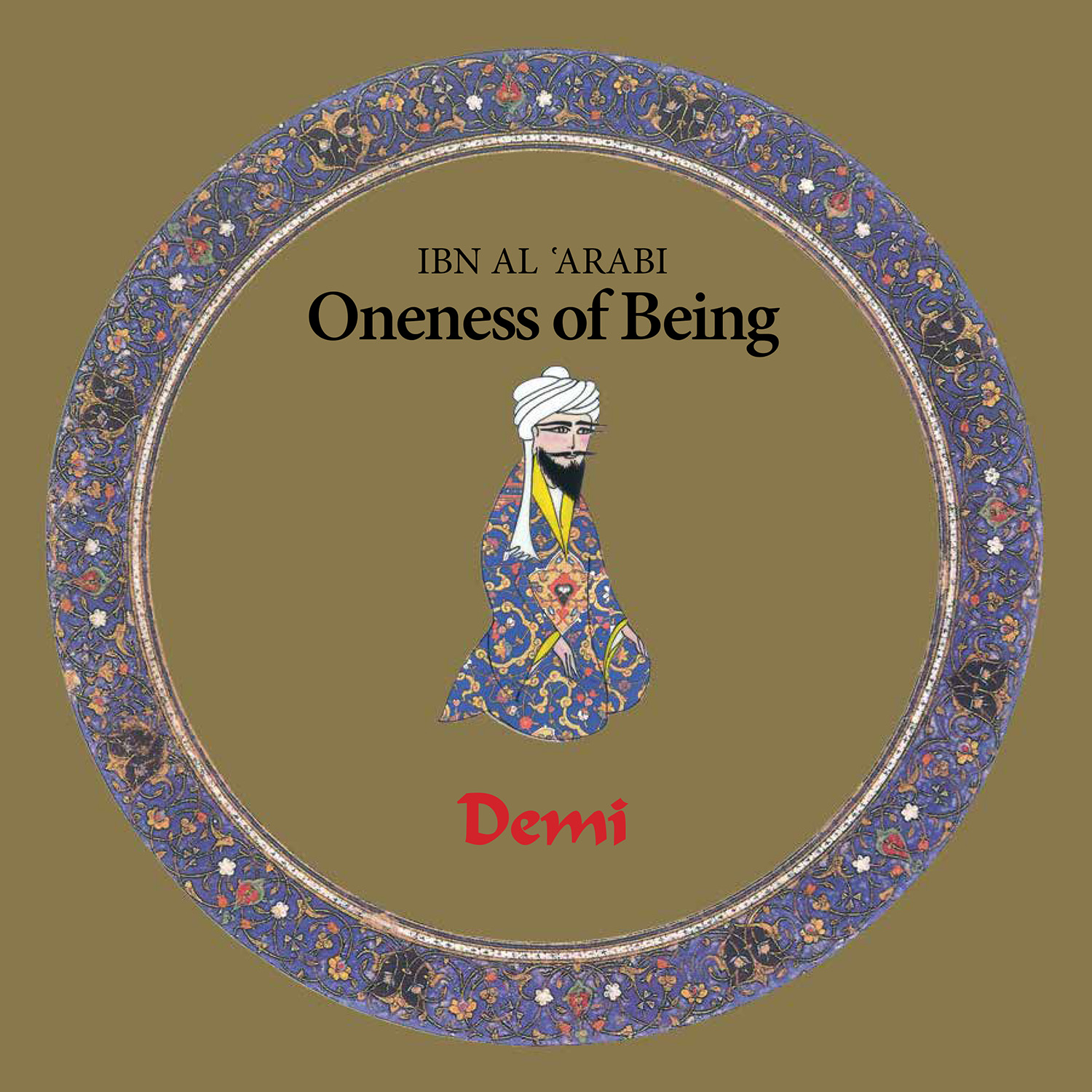
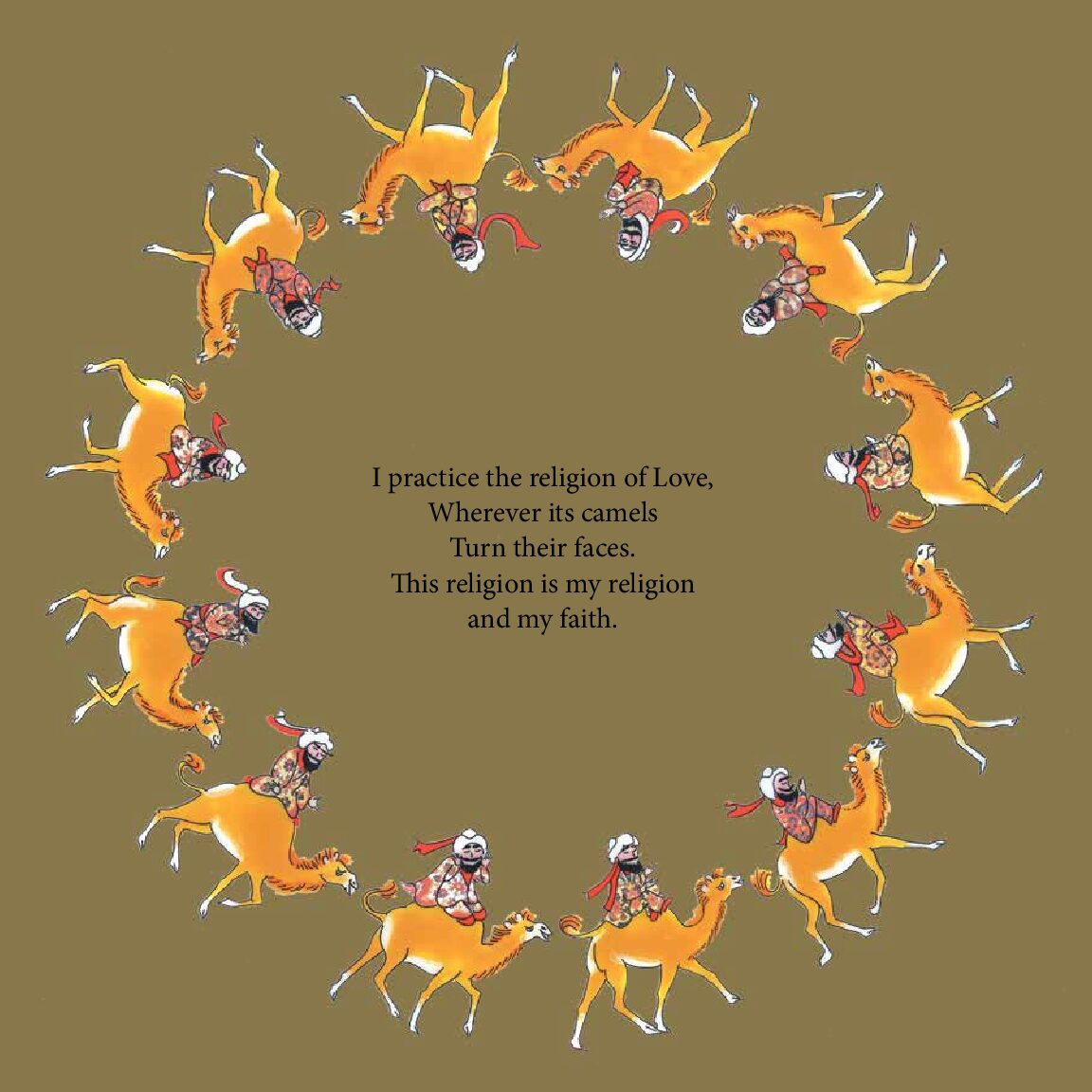
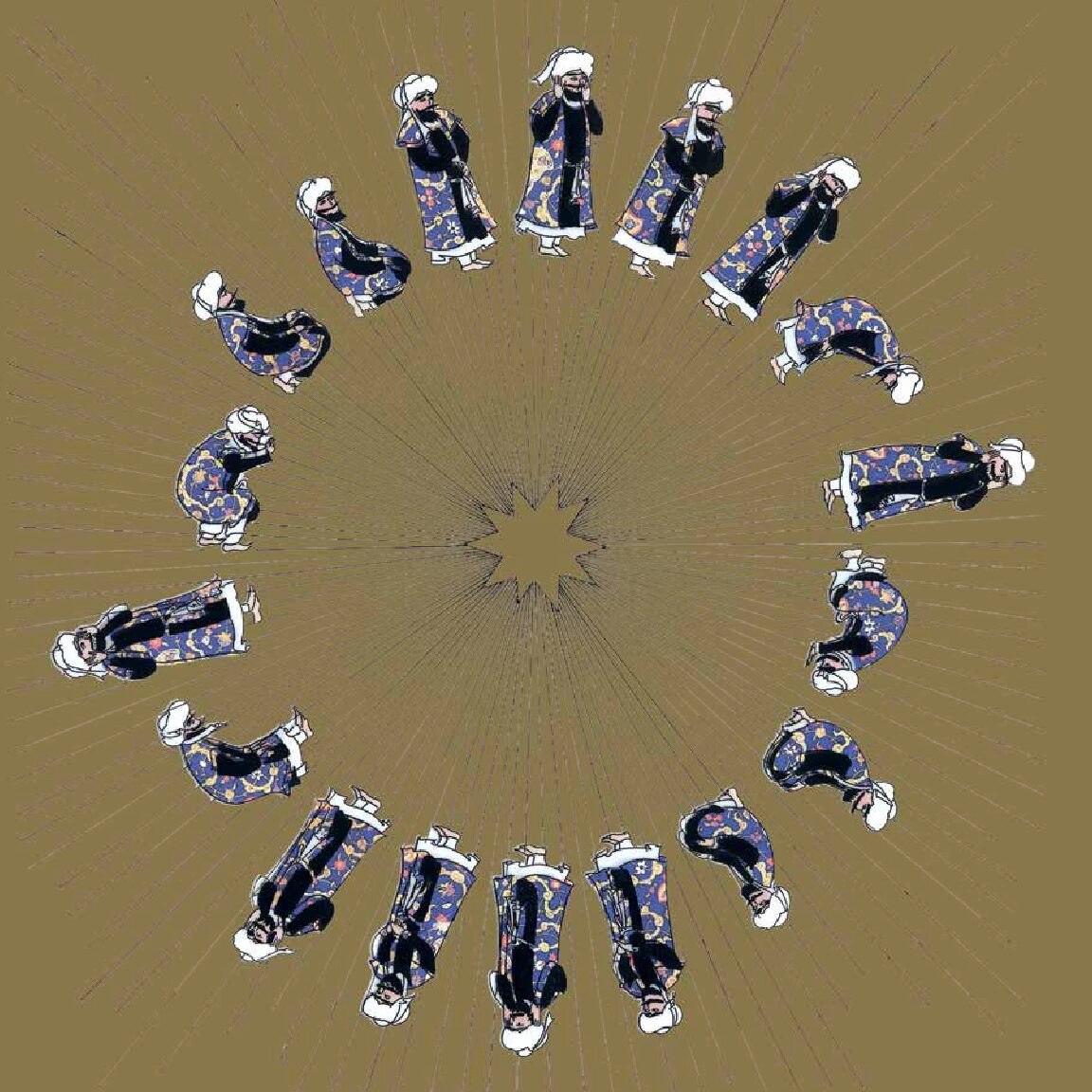
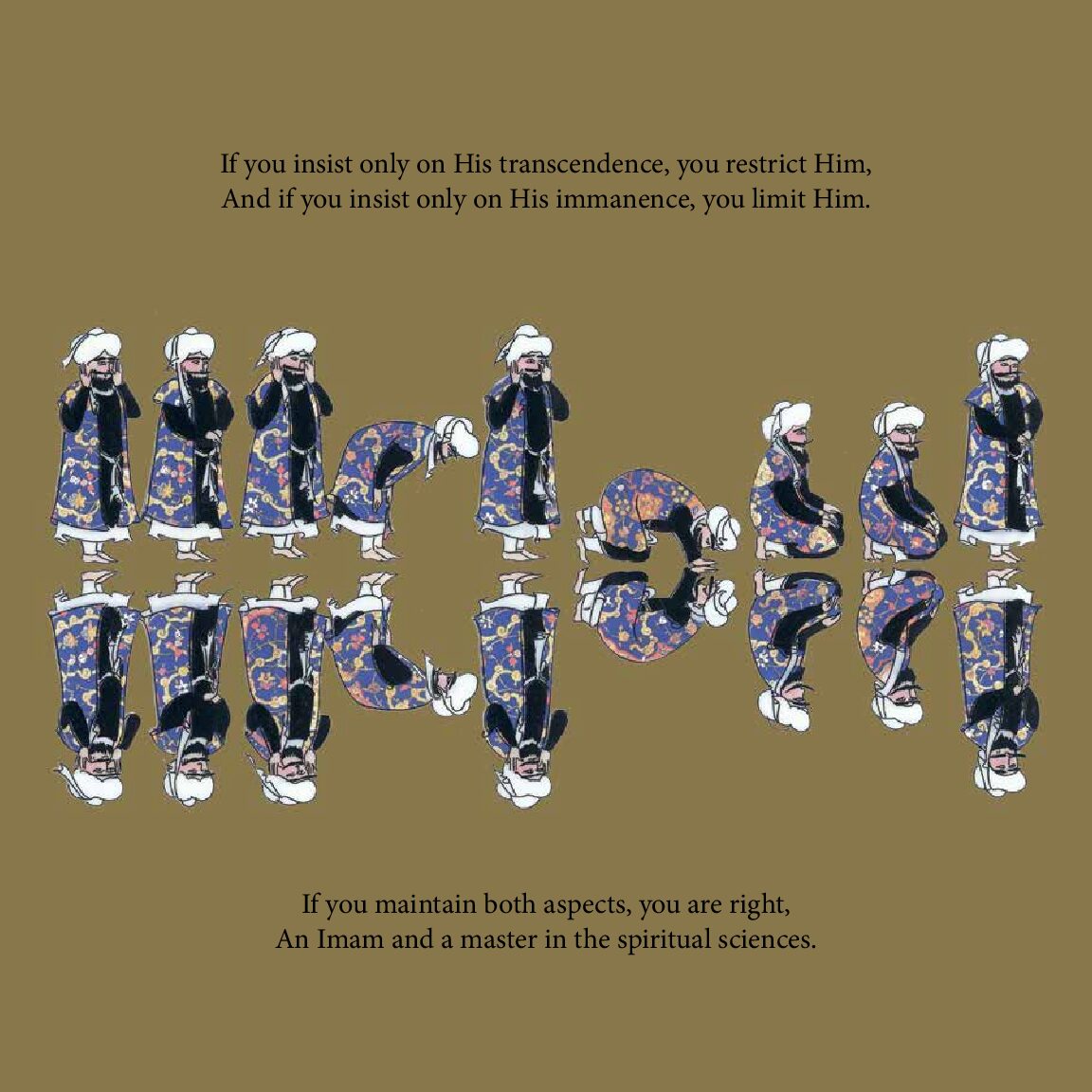
This beautifully illustrated book contains an extraordinary and unique selection of deeply thought-provoking passages from the widely revered Sufi saint of the 12th century, Ibn Arabi. These quotes are accompanied by exquisite illustrations which support a deeper grasp of the metaphysical principles being offered.
This is a unique work in that passages from Ibn Arabi’s mystical writings, translated by major scholars in the field.
Demi came from a long line of famous Boston artists which included both her mother and grandfather. Her great-granduncle, Richard Morris Hunt, in fact, founded and directed the American Institute of Architects – himself designing the base of the Statue of Liberty and the Metropolitan Museum of Art in NYC.
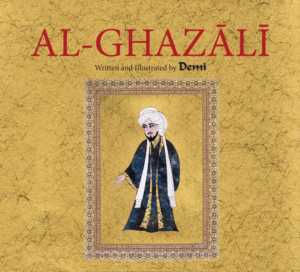
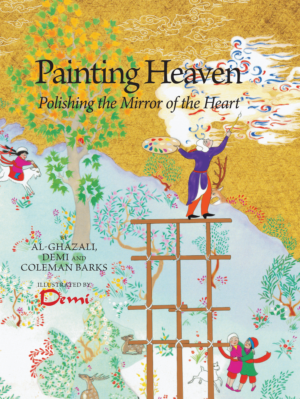
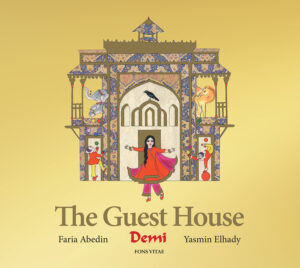
A Fulbright Scholar, Demi is the award-winning author of over 300 bestselling children’s books, including Jesus, al-Ghazali, Rumi, Muhammed, Cyrus the Great, the Psalms of David, and Saint Francis of Assisi. Her titles have sold over five million copies. Gandhi and the Nightingale were named New York Times Best Illustrated Books. Major exhibitions of her work have been held in numerous museums in the US, including the Los Angeles County Museum and the Time/Life Gallery in New York City.
Demi recently illustrated a book called, “The Exemplary Life of Emir Abd al-Qadir”. The Emir was a saintly person from Algeria who was finally exiled by France to Damascus after successfully resisting the French invasion of Algeria for 15 years in the middle of the 19th century. He was a great lover of the works of Ibn Arabi and was buried next to him in Damascus. Demi had read Ibn Arabi’s works in order to prepare herself to write and illustrate the book on the Emir Abd al-Qadir. As a result of her reading, she was inspired to create this jewel of a book in order to share the wisdom of Ibn Arabi with others
Reviews
The author and illustrator of this beautiful book has discovered a wonderful way to effectively communicate normally difficult material to a wide audience. Almost every time I am working with students on a passage from Ibn Arabi’s Futuhat or Fusus al Hikam — and usually with a number of students reading Ibn Arabi for the first time—I'm struck by how much more penetrating the material would be for the students if the translations were broken down to very small and coherent little sections. This is exactly what Demi has done in this book, and it is also what the following generations of Persian-language poetic interpreters or poets inspired by Ibn 'Arabi did in their own poetic works (poets such as Eraqi, Maghrebi, Jami and other Central Asian/Indian poets).
Demi’s approach is definitely more direct and memorable for all those readers who can't do an in-depth and focused study of Ibn Arabi's works in the way one would study a difficult philosophical or theological text.
“The backgrounds of the illustrations are patterned without being predictable, with the imperfections that make them perfect – just as the world is, as Ibn al-ʿArabī reminds us (and al-Ghazali, and Leibniz), the most perfect of all possible worlds. And such a delight it is to have these analogue paintings with character, so far from digital and machine sameness.
If these paintings ‘cast you on the path’, then their creator has succeeded. And if they cast you on the path, this may be your invitation to study the Futuhat al-Makkiyah (The Openings Revealed in Makkah).”