
Islamic Spirituality/Sufism

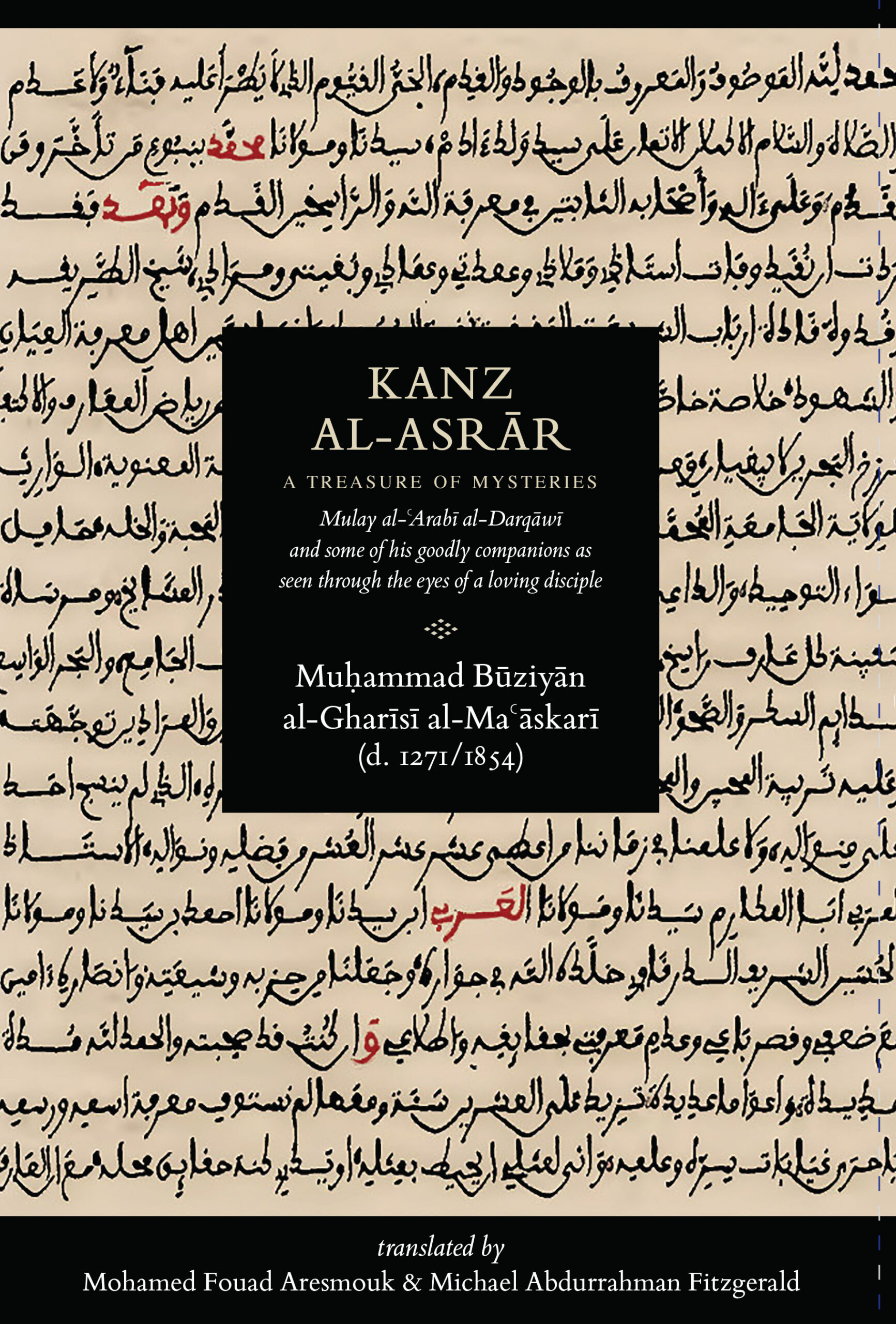
Kanz al-Asrar: A Treasure of Mysteries – Mulay al-Arabi al-Darqawi as Seen Through the Eyes of a Loving Disciple

Michael Abdurrahman Fitzgerald, Mohamed Fouad Aresmouk

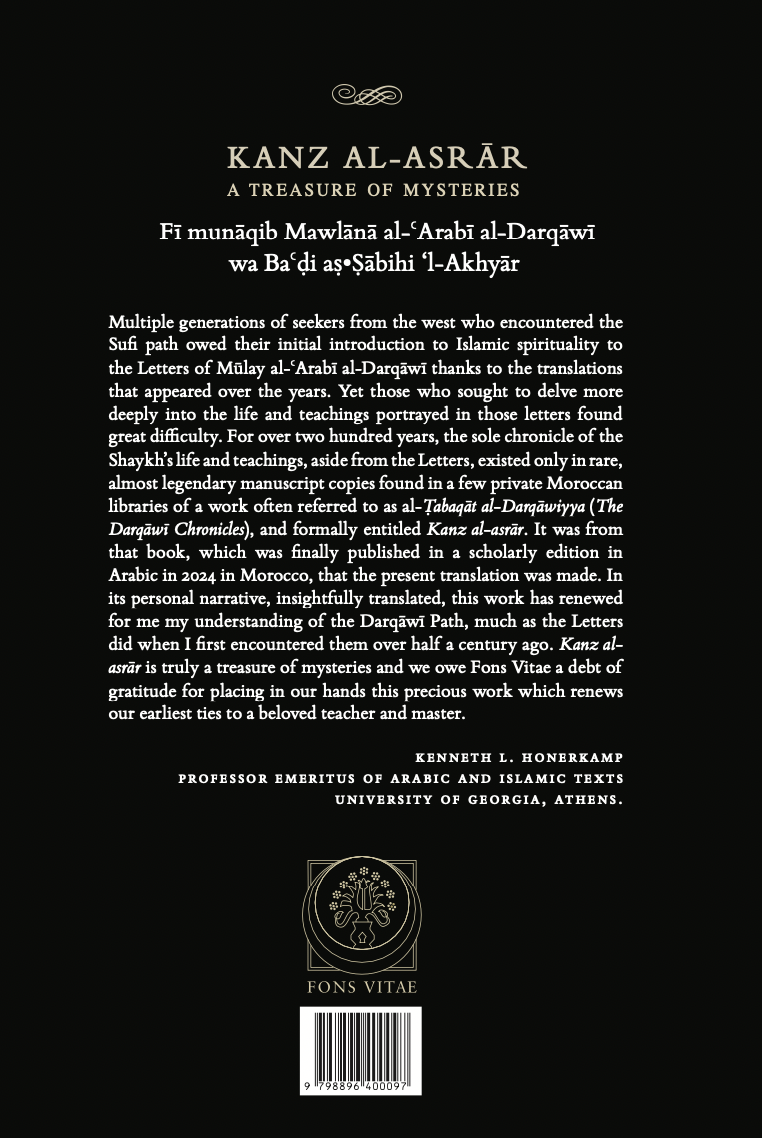
JUST PUBLISHED. NEW FONS VITAE TITLE. KANZ AL-ASRAR: A TREASURE OF MYSTERIES – ‘Mulay al-‘Arabi al-Darqawi and some of his goodly companions as seen through the eyes of a loving disciple’ by Muhammad Buziyan al-Gharisi al-Ma’askari (d. 1271/1854). Translated by Mohamed Fouad Aresmouk & Michael Abdurrahman Fitzgerald. Pages: 266. Available in Paperback, PDF and ebook formats.

MULAY AL-ARABI al-Darqawi (ca. 1743 to 1823) was the gifted spiritual master whose teachings inspired a Sufi order and movement that attracted tens of thousands of followers in Morocco, Algeria, Tunisia, and beyond. Among those who were able to visit the Shaykh in his remote zawiya in the mountains of northeast Morocco was a young man named Muhammad Buziyan al-Gharisi, who arrived with a caravan in 1803 from his native Algerian town of Maʻaskar.

For Buziyan, this meeting marked the beginning of a twenty-year period during which he lived near and served his teacher, eventually becoming one of the scribes who transcribed and copied the Shaykh’s letters of spiritual instruction to be sent to the many muqaddams of the order near and far. Upon the Shaykh’s death in 1823, Buziyan decided to assemble into a book all that he had personally seen and knew about the life and teachings of Shaykh al-Darqawi, as well as some of the more memorable of his disciples.

The resulting work, which he entitled Kanz al-asrar fi munaqib Mawlana al-Arabi al-Darqawi wa ba‘di as·habihi ’l-akhyar (“A Treasure of secrets concerning the lives of Mulay al-Arabi al-Darqawi and some of his goodly disciples”) became a much-quoted reference for many later writings about the order. Besides being the most complete reference ever written about the Shaykh himself, it provides a rare glimpse into life in a Moroccan Tariqah in the late 18th century, interwoven with the spiritual teachings Buziyan had received from the Shaykh and others. Written through the eyes of a life-long disciple who came to the order when he was still young, it is also a chronicle of the shaykh-murid dynamic of that time and place.

Click here to read sample pages from the book

  • PDF, Paperback, Reflowable ePUB
  • 979-8-89640-009-7
  • 266

Product Description

Table of Contents
Acknowledgements vii
Transliteration key ix*
Translators’ introduction xi
Introduction 1

Chapter One, on the lineage of this imam and his excellence among people
His birth, upbringing, and education
Protection (al-ĥifż) and sinlessness (al-¢iśma)

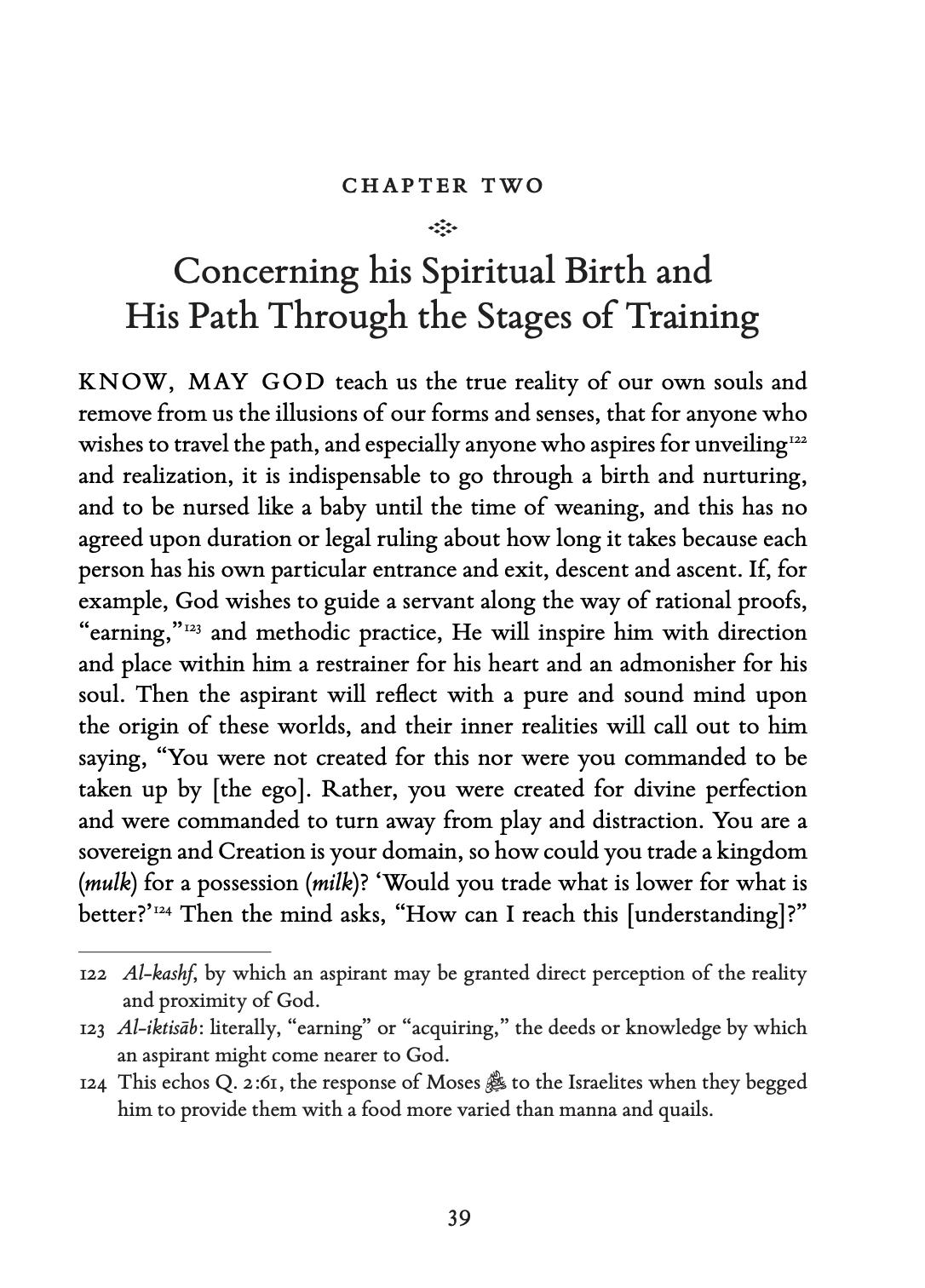
Chapter Two, concerning his spiritual birth and his path through the stages of training His invocation of the Name, Allāh
On the goal of the Way
The way of the methodic (al-sālik) and the attracted (al-majdhūb)
A subtle point

Chapter Three, about his following the sufic path and the watering places from which he drank from what is pure and sweet, including sections on the rules of arriving (in god’s presence) and that the fundamentals bring the wayfarer to the first steps in the way of ascent The Rule that the Fundamentals (al-uśūl) are requisite for Arrival (al-wuśūl)
A Note
The Different Ways to God
Opposing the Ego

Chapter Four, concerning the states that i witnessed in his worship, his daily life, his servanthood, and his slavehood
Some of his Devotional Practices
On the Remembrance of God
On the Circle of Invocation (ĥilqat al-dhikr)
About a few of his human and spiritual traits according to what we saw and heard from him
Understanding the reality of His being
The blessing of seeing and knowing the Shaykh

Chapter Five a few of his closest companions who had powerful and majestic states
Part one: Some of those of the first group whom I did not see but only heard about
Part two: Those whom I saw and who have since passed away, may God’s mercy be upon them and us


Mohamed Fouad Aresmouk: Fouad Aresmouk grew up in a traditional Marrakesh family, the son of an Arabic teacher in the public school system and grandson of one of the most renowned Qur’ān teachers in Marrakesh and muqaddam for the Tijānī Sufi order. Fouad completed his degree in Islamic Studies and Arabic at Qadi Ayyad University, Marrakesh, while at the same time plunging into a personal study of Sufism in Morocco that continues to this day. He is the author of al-Rashād fī zabdati al-awrād, a commentary (sharḥ) on the litany of the Ḥabibiyya sufi order of Morocco, and co-translator of four other of the books of the Fons Vitae Ghazali series into English, as well a number of other works from the Moroccan Sufic tradition. In addition to scholarly pursuits, Fouad is a husband and father of two and a co-founder and the human resource manager of the Center for Language and Culture in Marrakesh.

Michael Abdurrahman Fitzgerald: Originally from California, Abdurrahman Fitzgerald and his wife migrated to Morocco in the late 1970s. Since that time, he has been involved in education and the study of Arabic, Islam, and Sufism for the past thirty years. He co-translated Ibn al‑Qayyim on the Invocation of God (Islamic Text Society, 2000), worked on the editing and annotation of Denys Johnson-Davies’s translation of al-Ghāzali’s Kitāb ādab al‑akl (Islamic Texts Society, 2000), and also on Dr. Kenneth Honerkamp’s edition of al‑Rasāʾil al‑kubrā by Ibn ʿAbbād (Dār al-Machreq, 2005). Other works translated with Fouad Aresmouk include The Immense Ocean, a portion of Ibn ʿAjība’s Qurʾānic commentary; The Book of Ascension, Ibn ʿAjība’s spiritual glossary; and a portion of the work, Two Sufi Commentaries, all published by Fons Vitae. Abdurrahman holds degrees from the University of California and Shenandoah University, Virginia, and is the director of the Center for Language and Culture, Marrakesh.